Loading
Evidence of the transformation
The workshop leaves fingerprints. Each case study shows the raw material, the friction we found, and the results.
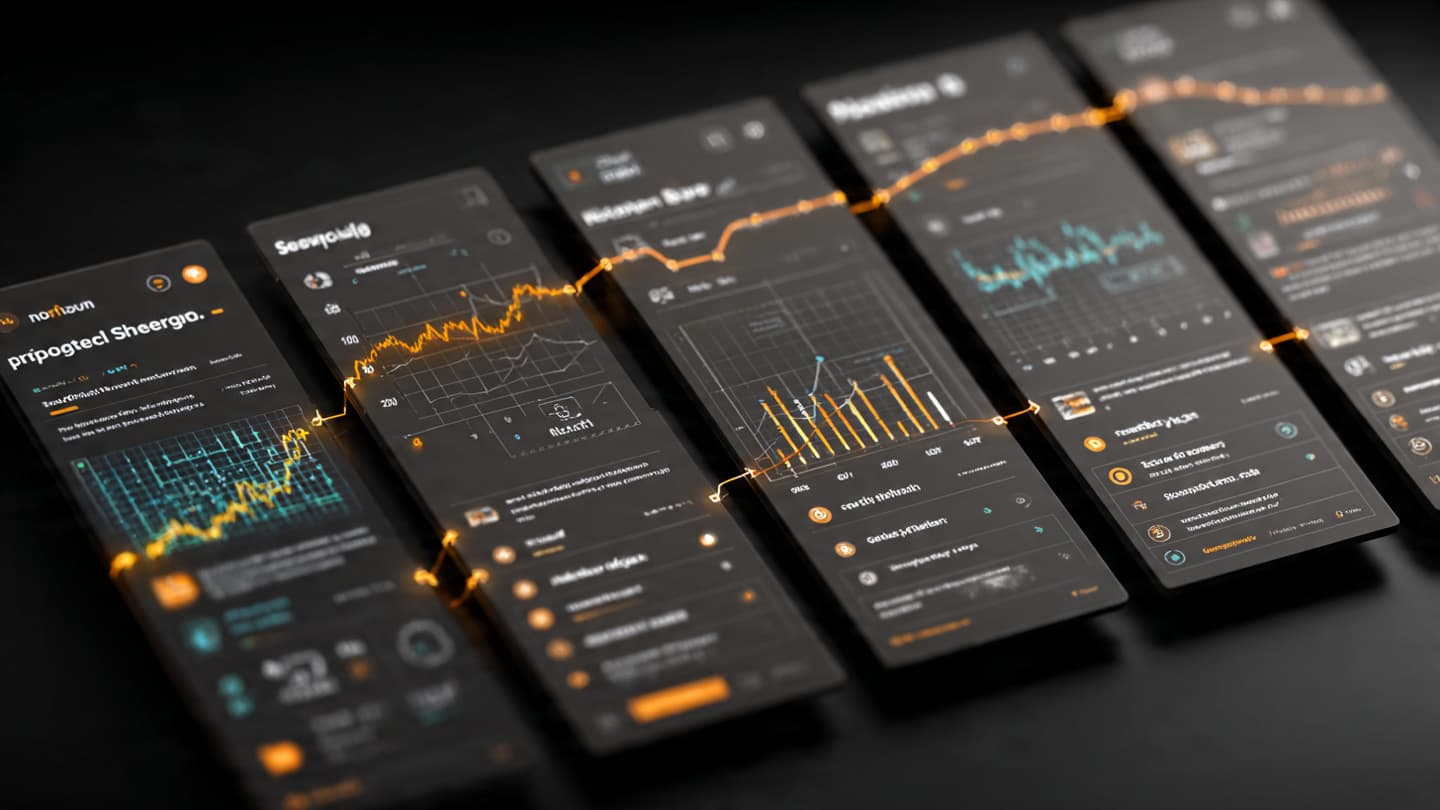
FinTech Global Platform
RAW MATERIAL
A global fintech company was struggling with a monolithic Ruby on Rails frontend that had grown unmaintainable over 8 years. Build times exceeded 45 minutes, developer onboarding took weeks, and Lighthouse scores hovered around 45 on mobile. The legacy system couldn't support the company's expansion into 12 new markets.
THE FRICTION
Before we could change anything, we had to understand what was actually breaking: user pain points, system bottlenecks, and business constraints that were not aligned.
THE REFRACTION
We decomposed the monolith into a composable architecture using Next.js 16 with React Server Components. Critical financial widgets were migrated first using the Strangler Fig pattern to de-risk the transition. Each micro-frontend owned its data fetching, state, and error boundaries. We implemented Edge caching for public pages and aggressive ISR for authenticated dashboards. The design system was rebuilt from scratch with Radix UI primitives and Tailwind v4, ensuring consistent UX across all markets.
THE WORK
We rebuilt the system with modularity and clarity in mind, using modern tools and patterns that would scale with their needs.
THE RESULT
- Lighthouse scores improved from 45 to 99+ across all routes
- Build times reduced from 45 minutes to under 3 minutes
- 12 new markets launched in 6 weeks instead of 6 months
- Developer productivity increased 4x with the new component library
- 99.99% uptime with zero-deployment downtime via Vercel Preview Deployments
Recognise your own situation in one of these?
Tell us where you are and we'll tell you honestly whether we can help, and roughly what it would cost.